
Multi-Factor Authentication (MFA): Your Second Layer of Security
MFA adds a second lock to your digital accounts, keeping them secure even if your password is compromised.
14/10/2026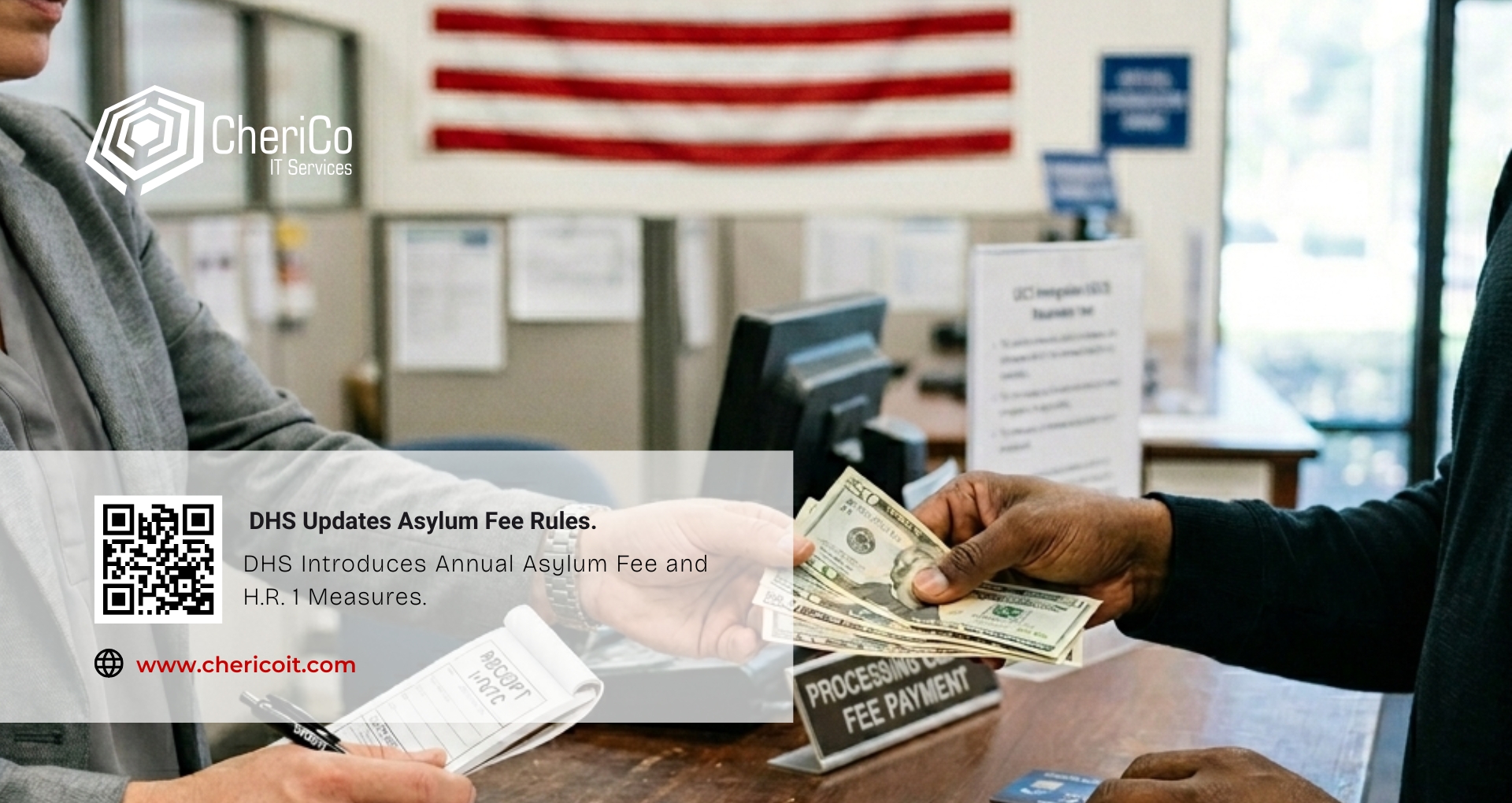
The U.S. Department of Homeland Security (DHS), through U.S. Citizenship and Immigration Services (USCIS), has issued an interim final rule implementing new immigration fees and procedural requirements pursuant to the H.R. 1 Reconciliation Act of 2025. Among the most significant is the establishment of an Annual Asylum Fee (AAF), which must be paid each year an asylum application remains pending. The rule, effective May 29, 2026, is intended to ensure cost recovery for immigration services and enforcement activities, reflecting a substantial policy shift in the administration of asylum benefits.
A major aspect of the rule is the strict consequence for failing to pay the AAF. According to USCIS, if an applicant does not pay the fee within 30 days of receiving notice, the agency may reject the pending asylum application. In addition, USCIS may deny any related applications for employment authorization, and individuals who already received work permits based on their pending asylum case may lose that authorization immediately. If the applicant does not have lawful status in the United States, DHS may also initiate removal proceedings.
The rule also introduces several additional H.R. 1 requirements. USCIS will retain the filing fee for Form I-589 even if the application is rejected as improperly filed, and it establishes a minimum fee for Form I-102 submissions. It further limits employment authorization for individuals under Temporary Protected Status (TPS) to one year or the remaining designation period, whichever is shorter. Overall, USCIS emphasizes that these updates are designed to strengthen compliance, improve processing efficiency, and enhance accountability within the U.S. immigration system.
Explore more on:
MFA adds a second lock to your digital accounts, keeping them secure even if your password is compromised.
14/10/2026
Strong cybersecurity practices help protect sensitive immigration, business, and personal information in an increasingly digital environment.
29/09/2026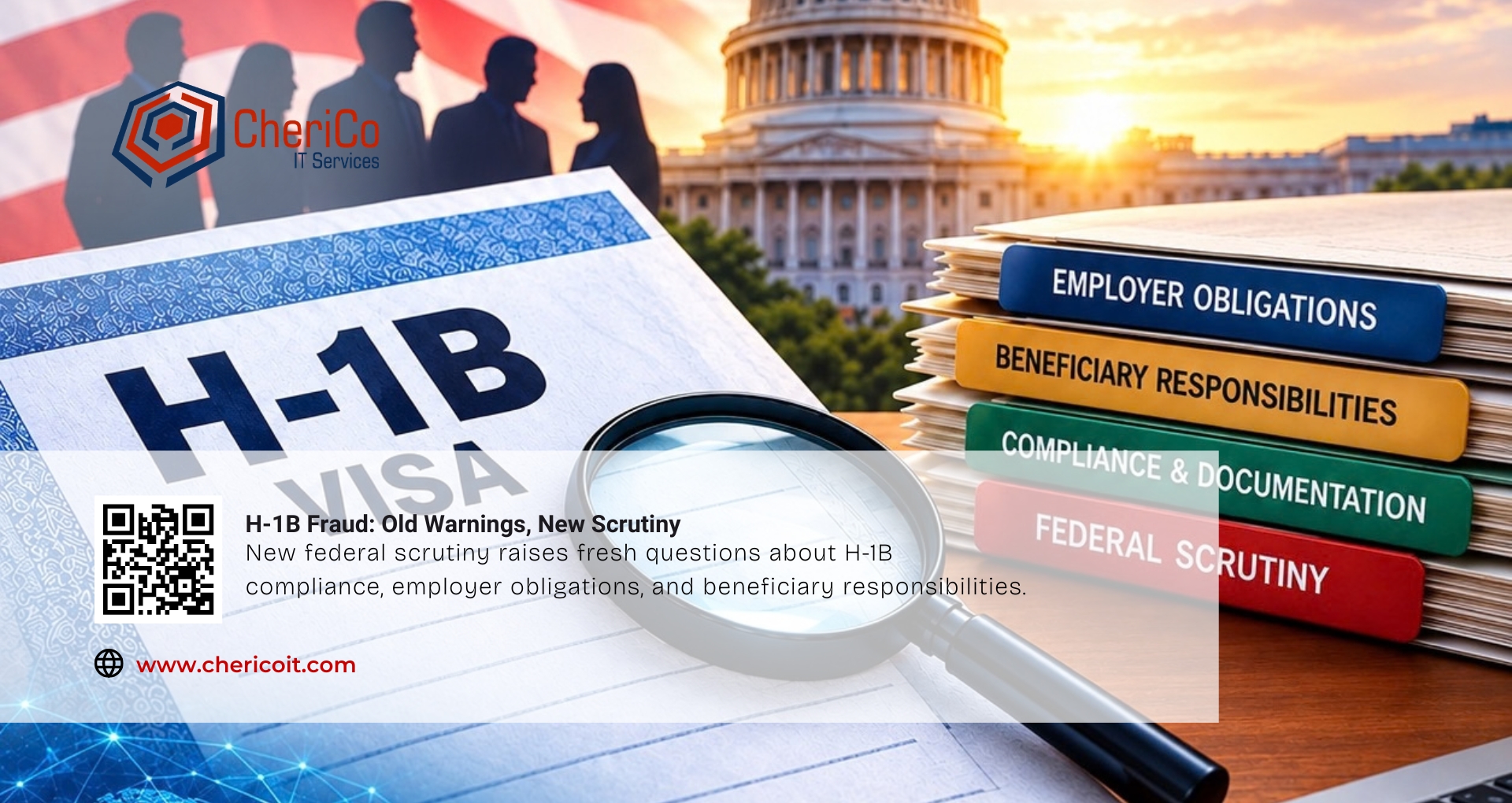
New federal scrutiny raises fresh questions about H-1B compliance, employer obligations, and beneficiary responsibilities.
22/09/2026