
Multi-Factor Authentication (MFA): Your Second Layer of Security
MFA adds a second lock to your digital accounts, keeping them secure even if your password is compromised.
14/10/2026
The Department of Homeland Security (DHS) has issued a final rule increasing USCIS premium processing fees to reflect inflation from June 2023 through June 2025. The increase is authorized under the USCIS Stabilization Act, which allows DHS to adjust premium processing fees every two years to preserve their real dollar value. According to USCIS, the additional revenue will be used to maintain premium processing services, improve adjudication efficiency, reduce processing backlogs, and support broader adjudication and naturalization operations.
The new fees will take effect on March 1, 2026. Any Form I-907, Request for Premium Processing, postmarked on or after that date must include the updated fee for the specific benefit requested. Requests filed with incorrect fees may be rejected. Premium processing may only be requested for benefits that USCIS has officially designated as eligible.
| Form | Classification(s) | Previous Fee | New Fee (Effective March 1, 2026) |
| Form I-129 | H-2B, R-1 | $1,685 | $1,780 |
| Form I-129 | E-1, E-2, E-3, H-1B, H-3, L-1A, L-1B, LZ, O-1, O-2, P-1, P-1S, P-2, P-2S, P-3, P-3S, Q-1, TN-1, TN-2 | $2,805 | $2,965 |
| Form I-140 | E11, E12, E13, E21 (NIW & non-NIW), E31, E32, EW3 | $2,805 | $2,965 |
| Form I-539 | F-1, F-2, J-1, J-2, M-1, M-2 | $1,965 | $2,075 |
| Form I-765 | OPT and STEM OPT (eligible applications only) | $1,685 | $1,780 |
Employers, foreign nationals, and practitioners should plan filings accordingly and ensure the correct premium processing fee is submitted for applications filed on or after March 1, 2026.
Explore more on:
MFA adds a second lock to your digital accounts, keeping them secure even if your password is compromised.
14/10/2026
Strong cybersecurity practices help protect sensitive immigration, business, and personal information in an increasingly digital environment.
29/09/2026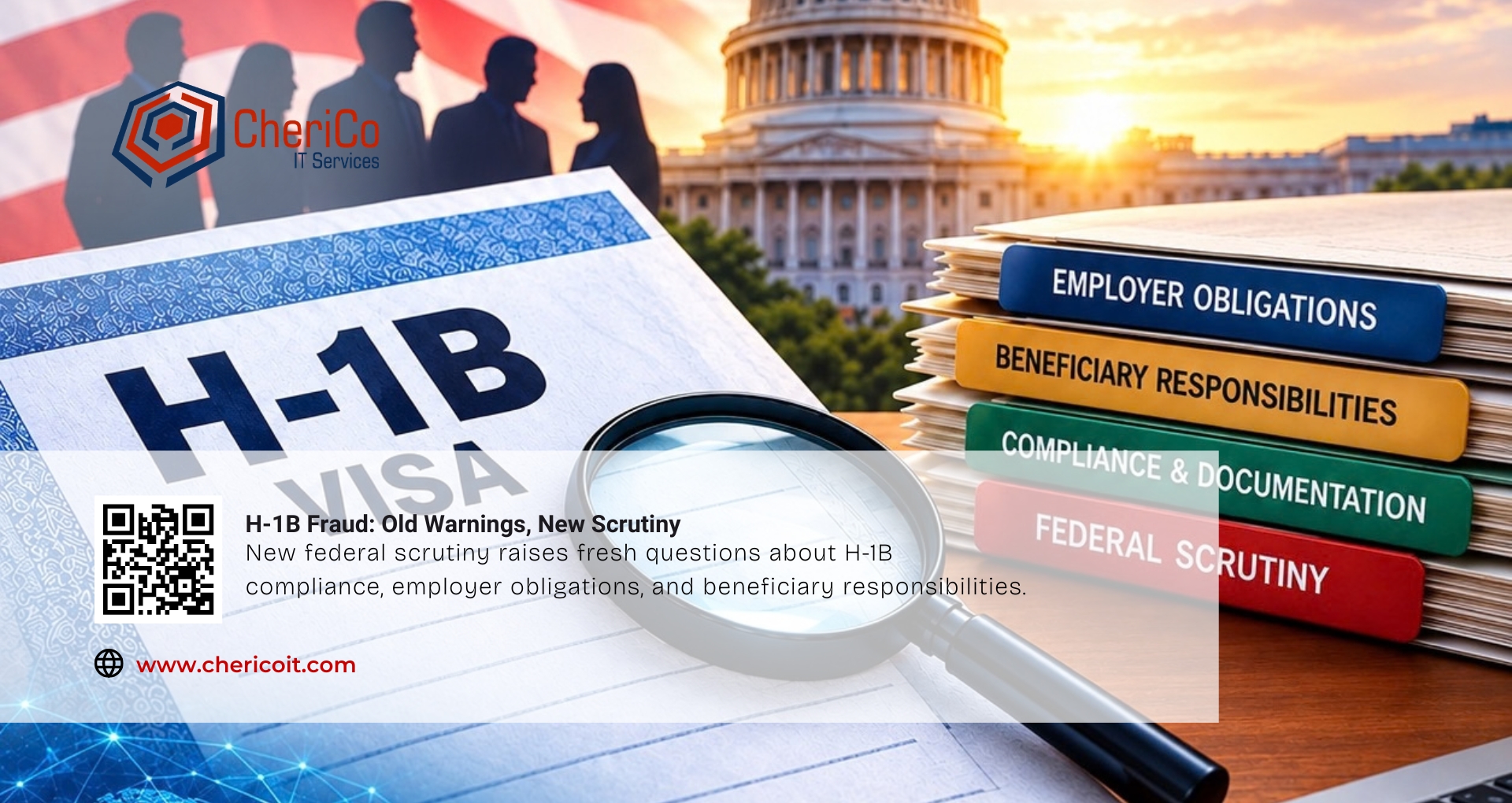
New federal scrutiny raises fresh questions about H-1B compliance, employer obligations, and beneficiary responsibilities.
22/09/2026