
USCIS Updates Reshape Asylum Procedures
Recent USCIS updates may affect asylum cases and compliance.
11/08/2026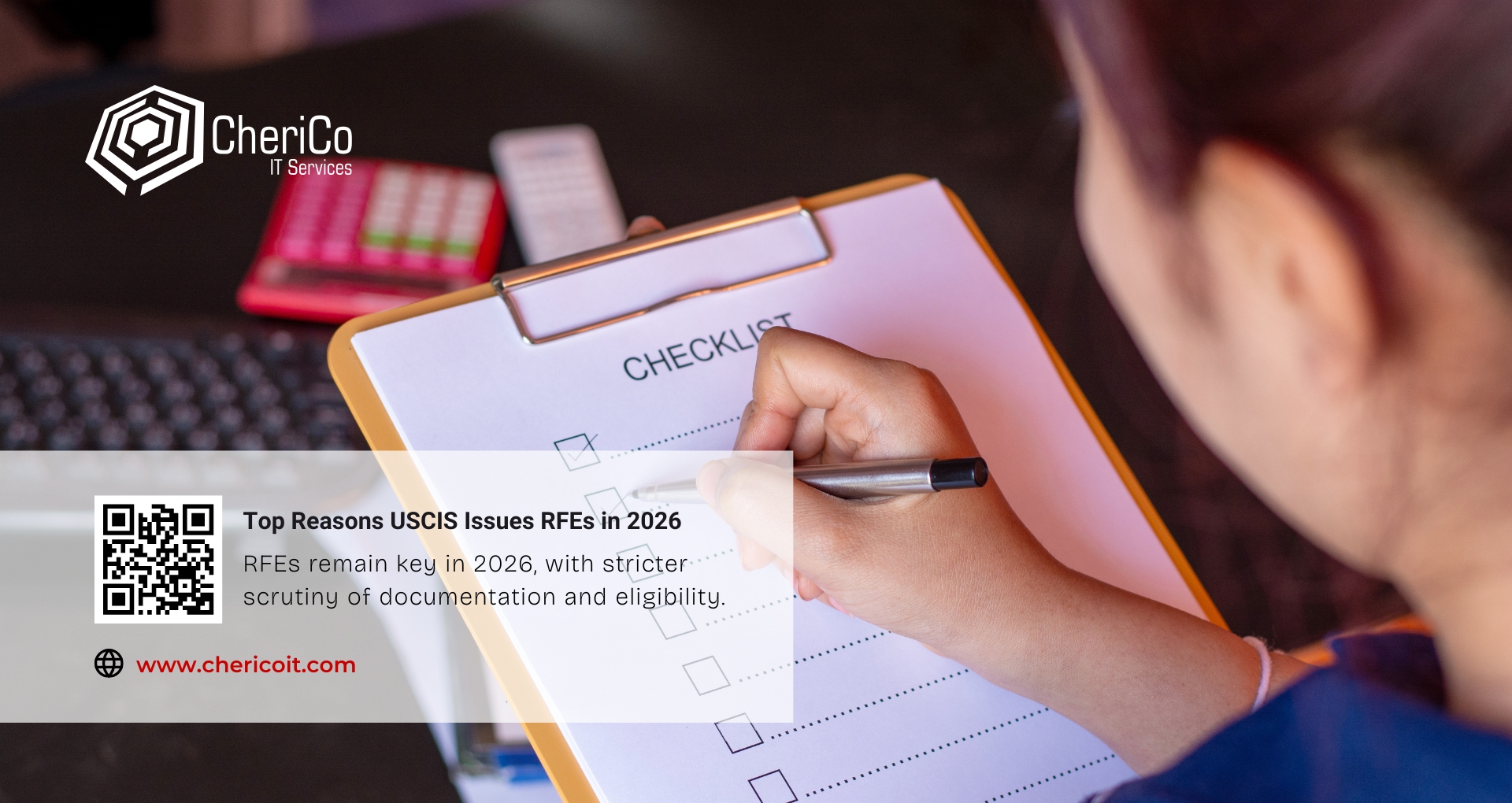
A Request for Evidence (RFE) is a notice issued by USCIS when additional information or documents are needed to decide an immigration application. It does not mean the application has been denied; rather, it indicates that the initial submission was incomplete, unclear, or insufficient for a final decision. RFEs may also be issued when officers need more details to confirm eligibility, making it crucial for applicants to respond accurately and within the given timeframe.
USCIS commonly issues RFEs when required documents are missing, information is inconsistent across forms, or eligibility is not clearly demonstrated. In 2026, RFEs are increasingly focused on the quality and consistency of evidence, with closer scrutiny on eligibility proof. Common triggers include insufficient documentation, conflicting details, vague or generic supporting letters, and cases under stricter review such as employment‑based or financial sponsorship petitions.
To reduce the risk of an RFE, applicants should submit a complete, accurate, and well‑organized application from the start. All forms and supporting documents must be carefully reviewed, clearly presented, and fully aligned with USCIS requirements. Any additional evidence submitted later should remain consistent with the original filing, as discrepancies can lead to delays, RFEs, or possible denial.
Explore more on:
Recent USCIS updates may affect asylum cases and compliance.
11/08/2026
First Circuit denies stay; DHS complies with the court order while continuing its H-1B fee challenge.
04/08/2026
DHS updates admission rules for F, J, and I nonimmigrants by establishing fixed periods of stay.
28/07/2026